As your life changes, your space needs to evolve to keep pace with your daily routines, family growth, and professional requirements. Deciding whether to expand your existing footprint or relocate to a completely new property is one of the most significant financial and emotional choices you will make as a property owner. By carefully examining your current spatial challenges and evaluating the long-term potential of your property, you can determine if structural expansion is the most strategic path forward for your household.
Assessing Your Spatial Requirements and Changing Lifestyle Needs
The primary catalyst for structural changes usually stems from a persistent feeling that your home is shrinking around you. Families grow, remote work arrangements become permanent fixtures, and elderly relatives often require comfortable accommodation within the family unit. Before leaping into a major construction project, it is essential to catalog exactly how your current layout falls short and where additional square footage would provide the greatest daily relief. Evaluating these factors objectively helps clarify if a custom home addition can truly solve your functional bottlenecks or if your property has simply reached its absolute operational limit.
When analyzing your floor plan, distinguish between a need for more total square footage and a need for a smarter layout. A dedicated home addition can easily target your specific pain points, such as adding a primary suite on the main level, building an extra bedroom for a newborn, or creating a quiet, isolated workspace. If you find that your neighborhood is perfect, your school district is excellent, and your commute is ideal, expanding your current house keeps you rooted in the community you love. Choosing to expand your property allows you to maintain your established social networks while tailoring your environment to mirror your exact daily habits.
Evaluating Financial Considerations and Long-Term Property Investment
Embarking on a property expansion requires a clear understanding of your personal finances and the current dynamics of the local real estate market. Investing in a home addition is often a much more predictable financial path than purchasing a new home, which comes with hidden costs like real estate agent fees, moving logistics, and high mortgage rates. By directing your capital straight into your existing asset, you eliminate the friction of moving while building immediate equity in your property. However, it is vital to balance your project budget against the average housing values in your immediate neighborhood to ensure you do not over-build for your area.
To establish an accurate fiscal baseline, property owners should request precise, transparent project estimates from a licensed general contractor early in the planning process. A comprehensive financial plan covers every phase of the project, including initial site preparation, core structural engineering, architectural design fees, and high-quality finishing materials. Investing in your own property gives you absolute control over where your money goes, allowing you to prioritize premium materials in heavily used areas like kitchens or bathrooms. This strategic financial control ensures that every dollar spent directly enhances your family's daily comfort while safeguarding your long-term real estate investment.
Reviewing Structural Integrity and Lot Boundary Constraints
Your physical property line and local zoning laws play a decisive role in determining what type of structural expansion is legally and physically possible. Every municipality enforces strict rules regarding how close a structure can sit to property lines, maximum building heights, and the total percentage of a lot that can be covered by buildings. A qualified builder will audit your plot map and review local building codes before any sketches are made to ensure your planned home addition fits neatly within your legal boundaries. Navigating these regulatory boundaries early saves you from costly design revisions or potential legal disputes with local authorities later.
Beyond horizontal plot space, you must also evaluate the structural health of your existing house, especially if you plan to build upward rather than outward. Expanding vertically puts extra pressure on your foundation and lower framing, which requires a thorough structural analysis by an experienced professional team. According to Bob Vila, for a home addition or third-floor renovation, using a crane is best because they can boom out about 42 feet, enough to get to the top floors of most homes. Utilizing this advanced specialized machinery minimizes ground disturbance on your lawn, bypasses tight lot constraints, and ensures heavy materials reach your upper levels with absolute precision and safety.
Planning Specialized Remodeling for Kitchens and Bathrooms
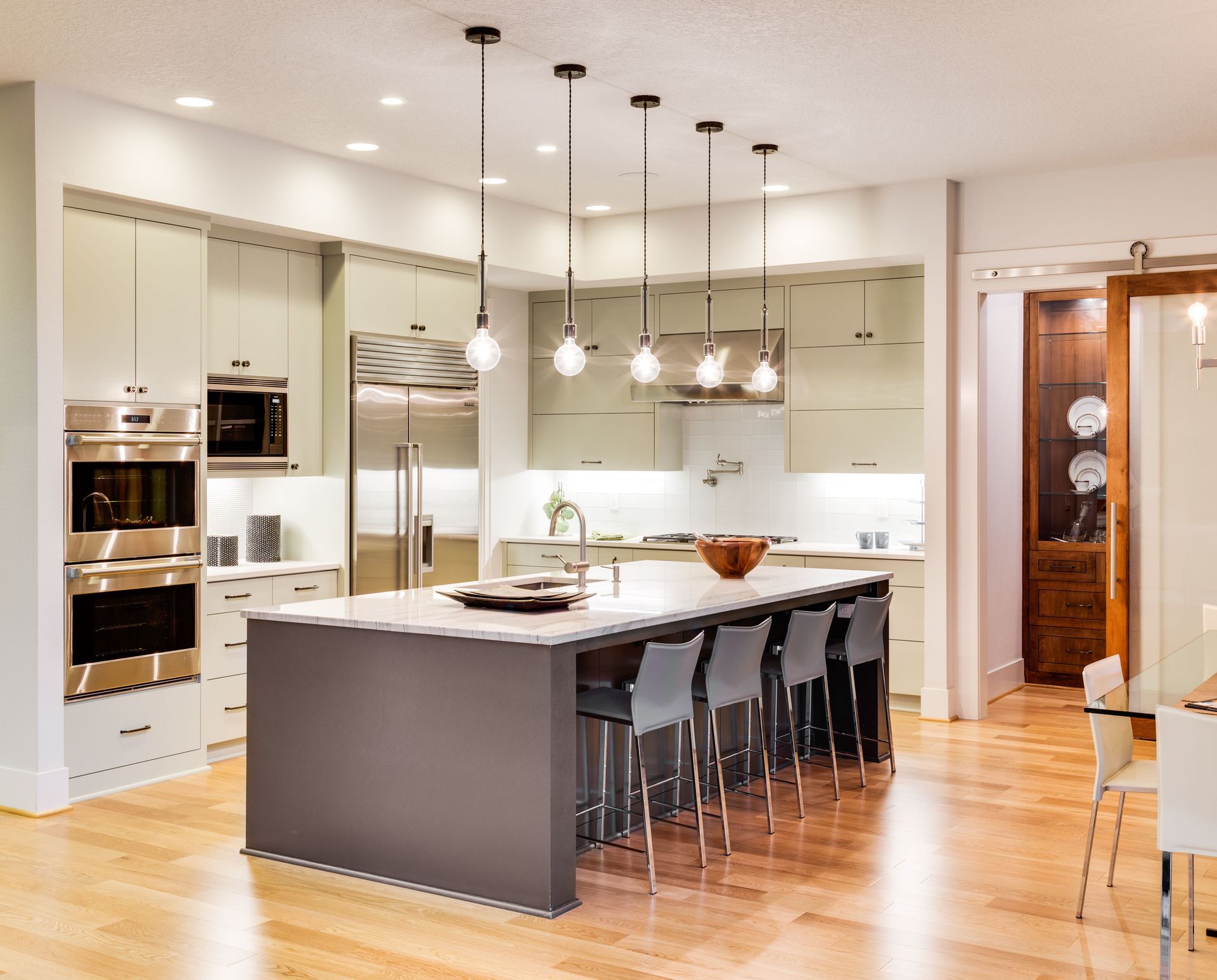
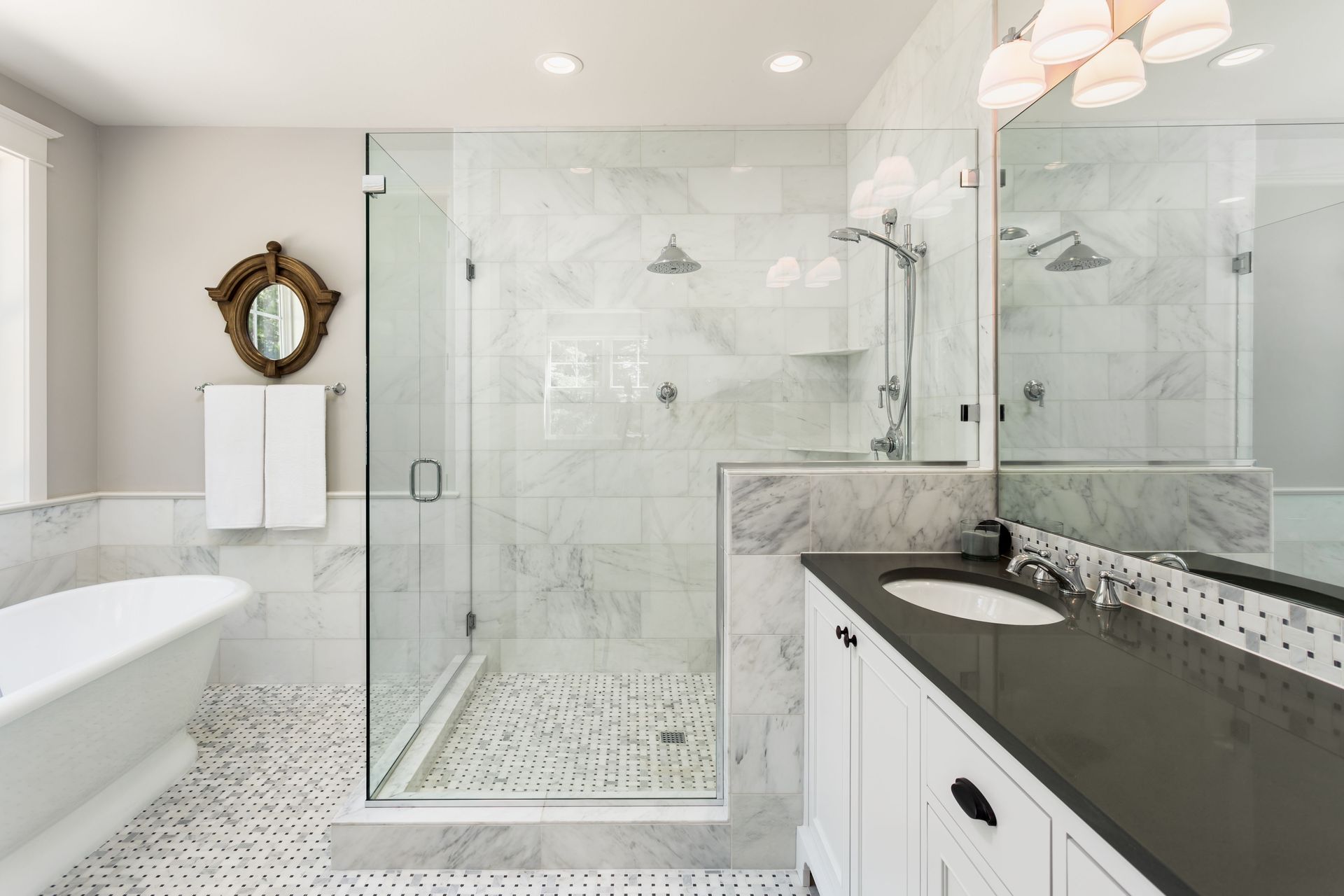
The specific type of space you choose to add will heavily influence the overall complexity, timeline, and daily logistics of your construction project. If your primary goal is to expand your culinary space or add a luxury master bath, your project requires deep technical integration with existing plumbing, electrical, and ventilation systems. Opting for a bathroom remodeling expansion or a kitchen remodeling addition demands meticulous planning to ensure new lines connect seamlessly with your home's central infrastructure. These specific utility-heavy spaces require skilled craftsmanship to ensure that the new components function flawlessly alongside your original hardware.
Because kitchens and bathrooms are the functional hubs of the modern household, updating these areas provides some of the highest satisfaction and value returns. An expertly integrated extension can open up cramped cooking areas, introduce massive walk-in pantries, or create a spa-like retreat right inside your own home. When planning these intricate spaces, focus on creating a natural flow that matches the architectural continuity of the rest of your home. Working with a versatile builder who specializes in both broad structural additions and fine interior remodeling ensures that the intricate utility work blends perfectly with beautiful, high-performing design choices.
Executing Seamless Architectural Integration and New Home Craftsmanship
A truly successful expansion looks as though it was built as part of the original structure, rather than tacked on as an afterthought. Achieving this level of visual and structural harmony requires a deep understanding of historical building techniques, roofline alignment, and material matching. From matching the precise texture of your exterior siding to sourcing identical hardwood flooring, the details dictate the overall success of your project. Choosing an enterprise with extensive experience in both extensive home remodeling and new home construction ensures your project benefits from the highest standards of structural integrity and aesthetic continuity.
This comprehensive background in full-scale residential construction allows your project team to anticipate how old and new building materials will interface over time. They will carefully manage how different sections settle, ensuring that insulation values remain consistent across old and new zones and that your HVAC systems are properly calibrated to handle the new square footage. Whether you are executing a historic renovation or adding a sleek modern wing to a classic property, this rigorous attention to detail protects your home from drafts, leaks, and visual disconnects. The ultimate goal is to create a unified, beautifully balanced home that enhances your streetscape and feels entirely cohesive from the inside out.
When you are ready to expand your space and unlock the full potential of your property, work with a premier builder dedicated to superior craftsmanship. The experienced team at Ritchey Construction specializes in high-quality home additions, precision bathroom remodeling, custom kitchen remodeling, and complete new home construction. Contact our office today to discuss your vision, review your property's potential, and receive a detailed estimate for your upcoming project.